
Fintech – short for financial technology – is often regarded with high-speed trading and sleek apps for the elite. However, its most profound impact lies in its ability to serve as an “economic equalizer.” For marginalized communities, fintech isn’t just a convenience; it is a gateway to the formal economy.
The Problem: The High Cost of Being “Unbanked”
For millions, traditional banking is inaccessible. Barriers include a lack of physical bank branches in rural areas, high minimum balance requirements, and the absence of a formal credit history. When people are excluded from the “plumbing” of the financial system, they are forced to rely on predatory lenders or cash-based systems that offer no security and no way to build wealth.
Access & Inclusion: The Smartphone as a Bank Branch
Fintech bridges this gap by decoupling financial services from physical infrastructure. Mobile money platforms allow anyone with a basic handset to store, send, and receive money. This digital entry point is crucial; it provides a “digital footprint” for individuals who previously had no recorded financial history, allowing them to finally step out of the shadows.
Economic Empowerment through Digital Tools
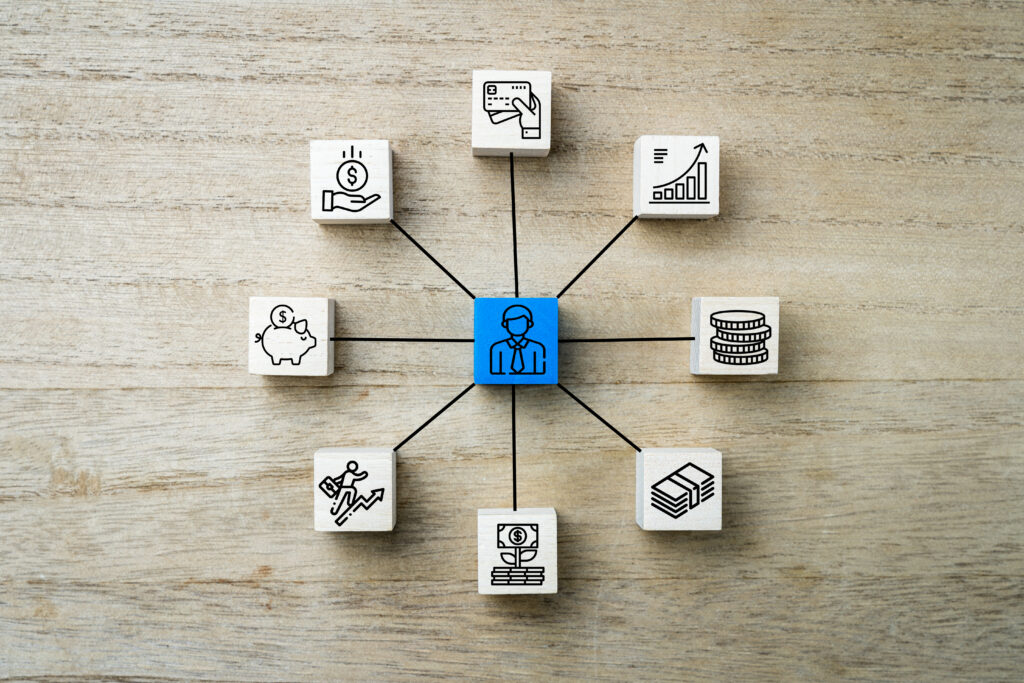
Empowerment happens when a digital wallet matures into a full financial suite:
- Micro-savings: Apps that allow users to save “spare change” help low-income earners build emergency buffers.
- Accessible Credit: Using AI and alternative data (like utility bill payments), fintechs can offer micro-loans to entrepreneurs who would be rejected by traditional banks.
- Digital Payments: For a street vendor, accepting digital payments isn’t just about ease; it’s about safety and reaching a wider customer base.
Real-World Impact: The M-Pesa Revolution
A classic example is M-Pesa in Kenya. By allowing users to deposit and withdraw money via a network of local agents, it lifted approximately 2% of Kenyan households out of poverty, with a particularly strong impact on female-led households by giving women more control over their finances.
Challenges & Risks: The “Great Divergence”
We must be candid: fintech is not a magic wand. As highlighted in recent UN reports, there is a risk of a “digital divide” where those without internet access become even more marginalized. Furthermore, the use of AI in lending carries risks of “encoded bias,” and data privacy remains a significant concern for vulnerable populations who may not fully understand how their information is being used.
The Way Forward
To make fintech truly equitable, we need:
- Universal Connectivity: Treating the internet as a foundational utility.
- Digital Literacy: Ensuring users understand the tools they are using.
- Pro-Poor Regulation: Policies that protect users from predatory “fintech” lenders.
Conclusion
Fintech is a powerful tool for empowerment, but its success depends on intentional design. When we prioritize inclusion over profit margins, we don’t just create better apps—we create a more resilient, equitable global economy.