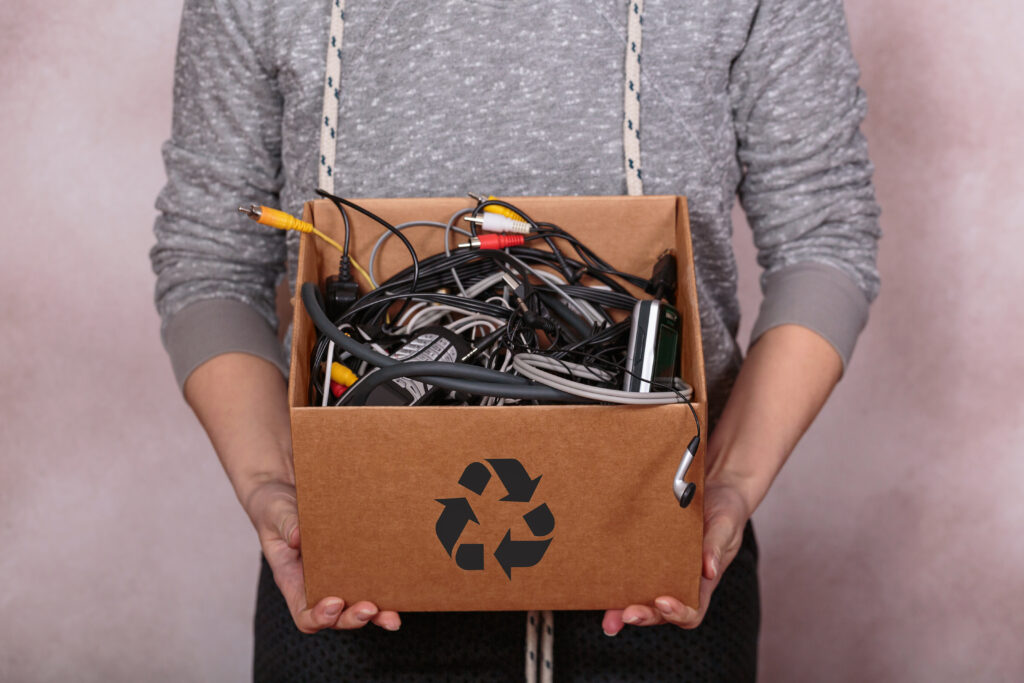

Most of us have a ‘tech graveyard’;a drawer filled with old smartphones, tablets, or laptops gathering dust. While these devices might seem obsolete to us, they represent a locked door for the nearly 2.6 billion people globally who remain offline. In the modern economy, donating a device isn’t just an act of charity; it is a strategic investment in human potential. This is the Economics of Generosity.
From E-Waste to Economic Engine
When we donate tech, we participate in a circular economy that transforms potential ‘e-waste’ into a bridge for the digital divide. The impact is felt in three primary ways:
- Educational Equity: For a student in an underserved community, a refurbished laptop is more than hardware; it’s a gateway to global libraries, coding bootcamps, and digital literacy. It levels a playing field that has been uneven for decades.
- Entrepreneurial Reach: In many regions, a smartphone is a point-of-sale terminal, a banking app, and a marketing suite. Giving a device to a micro-entrepreneur allows them to bypass local gatekeepers and join the global marketplace.
- Workforce Readiness: You cannot apply for a modern job without a digital presence. Donated devices provide the ‘infrastructure’ for job seekers to build resumes, attend virtual interviews, and secure remote work.
The Return on Investment
The ‘return’ on this generosity isn’t measured in dollars back to the donor, but in the growth of the global GDP. When more people are connected, innovation accelerates, and markets expand.
To bridge the digital gap, we don’t always need brand-new inventions; often, we just need better distribution of the tools we already have. By clearing out your ‘tech graveyard’ you are quite literally handing someone the key to their economic future.
Don’t let your old device expire in a drawer. Donate it, and help turn the digital divide into a digital opportunity.