
Fintech – short for financial technology – is often regarded with high-speed trading and sleek apps for the elite. However, its most profound impact is not found in a boardroom, but in its ability to transform a basic phone into a bridge for an individual who is unconnected. While building FinSmart, I have concluded that fintech is not about banking; it is about breaking the lock on a system built to keep people out. Simply put, Finsmart is a tool that gives a labor worker the same digital opportunity as a major corporation. For marginalized communities, fintech isn’t just a convenience; it is a gateway to the formal economy.
The Problem: The High Cost of Being “Unbanked”
For millions, traditional banking is inaccessible. Barriers include a lack of physical bank branches in rural areas, high minimum balance requirements, and the absence of a formal credit history. When people are excluded from the “plumbing” of the financial system, they are forced to rely on predatory lenders or cash-based systems that offer no security and no way to build wealth. This regularly excludes families trapped in an endless loop of high interest debt from ‘loan sharks’ or living in constant fear that a single occurrence of theft could exterminate their life savings.
Fintech bridges this gap by decoupling financial services from physical infrastructure. Mobile money platforms allow anyone with a basic handset to store, send, and receive money. This digital entry point is crucial; it provides a “digital footprint” for individuals who previously had no recorded financial history, allowing them to finally step out of the shadows. By noting simple text message transactions, fintech supports a verifiable record which proves a citizen’s creditworthiness to the rest of the world.
Empowerment happens when a digital wallet matures into a full financial suite:
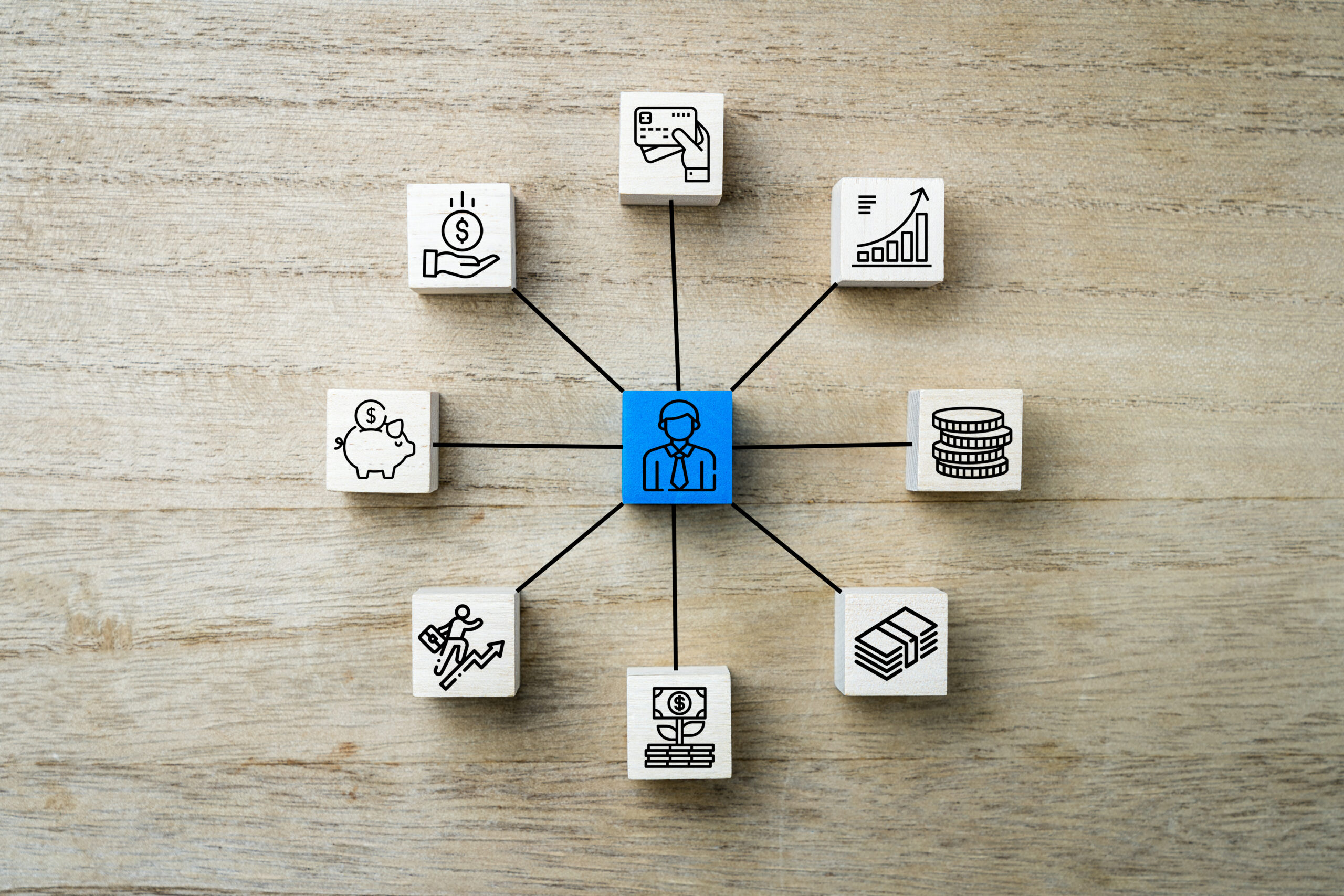
- Micro-savings: Apps that allow users to save “spare change” help low-income earners build emergency buffers.
- Accessible Credit: Using AI and alternative data (like utility bill payments), fintechs can offer micro-loans to entrepreneurs who would be rejected by traditional banks.
- Digital Payments: For a street vendor, accepting digital payments isn’t just about ease; it’s about safety and reaching a wider customer base.
A classic example is M-Pesa in Kenya. By allowing users to deposit and withdraw money via a network of local agents, it lifted approximately 2% of Kenyan households out of poverty, with a particularly strong impact on female-led households by giving women more control over their finances.
We must be candid: fintech is not a magic wand. As highlighted in recent UN reports, there is a risk of a “digital divide” where those without internet access become even more marginalized. Furthermore, the use of AI in lending carries risks of “encoded bias,” and data privacy remains a significant concern for vulnerable populations who may not fully understand how their information is being used.
To make fintech truly equitable, we need:
- Universal Connectivity: Treating the internet as a foundational utility.
- Digital Literacy: Ensuring users understand the tools they are using.
- Pro-Poor Regulation: Policies that protect users from predatory “fintech” lenders.
In conclusion, Fintech is a powerful tool for empowerment, but its success depends on intentional design. When we prioritize inclusion over profit margins, we don’t just create better apps—we create a more resilient, equitable global economy.