
In impoverished regions – like the favelas of Brazil – a regular student’s ambition to learn digital accounting halts as they do not attain access to a simple laptop. This is the harsh reality for approximately 2.6 billion individuals globally who remain offline, isolated from the modern economy.
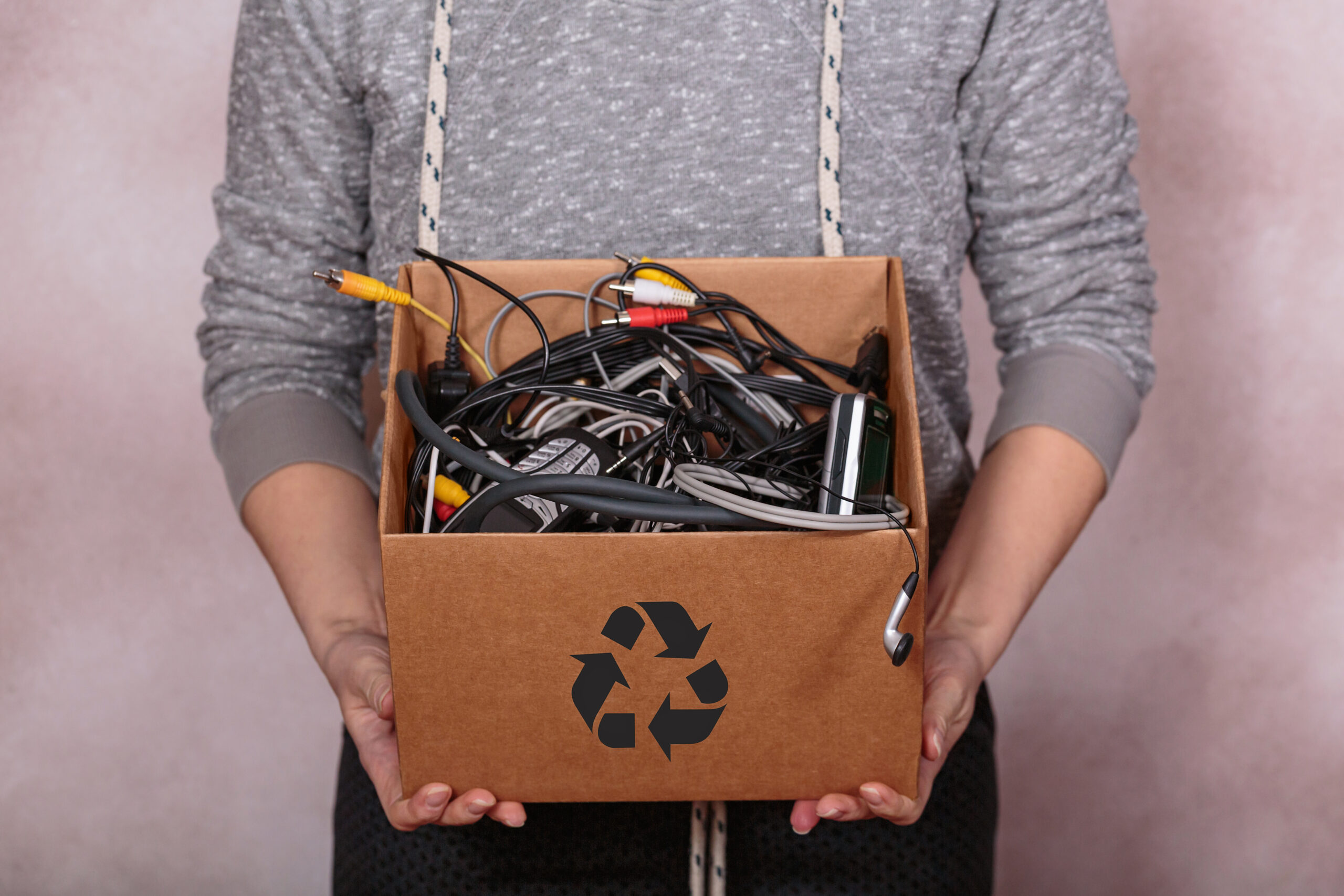
While billions wait for a connection, most of us maintain a ‘tech graveyard’; drawers filled with aging devices gathering dust. What we see as meaningless, the unconnected view as life changing. Donating these aging devices is more than charity; it is an investment in the economics of generosity
From E-Waste to Economic Engine
When we donate tech, we participate in a circular economy that transforms potential ‘e-waste’ into a bridge for the digital divide. The impact is felt in three primary ways:
- Educational Equity: For a student in an underserved community, a refurbished laptop is more than hardware; it’s a gateway to global libraries, coding bootcamps, and digital literacy. It levels a playing field that has been uneven for decades. By giving the tools for self directed study, we authorize the next generations to exceed the limitations of their local infrastructure.
- Entrepreneurial Reach: In many regions, a smartphone is a point-of-sale terminal, a banking app, and a marketing suite. Giving a device to a micro-entrepreneur allows them to bypass local gatekeepers and join the global marketplace. This digital ascension enables small businesses to stabilize their income and drive economic growth within their own cities.
- Workforce Readiness: You cannot apply for a modern job without a digital presence. Donated devices provide the ‘infrastructure’ for job seekers to build resumes, attend virtual interviews, and secure remote work. When this economic gap diminishes, we move closer to a world where talent is only prerequisite for employment, regardless of geography.
The Return on Investment
The ‘return’ on this generosity isn’t measured in dollars back to the donor, but in the growth of the global GDP. When more people are connected, innovation accelerates, and markets expand. This is not just a theory. When a large population attains digital access, local commerce transitions from isolated transactions to global trade overnight. By giving internet access to one person, we often spark a ‘domino effect’ where they – in turn – train their neighbors and hire from their own community, creating a self-sustaining economic engine. To bridge the digital gap, we don’t always need brand-new inventions; often, we just need better distribution of the tools we already have. By clearing out your ‘tech graveyard’ you are quite literally handing someone the key to their economic future.
Don’t let your old device expire in a drawer. Donate it, and help turn the digital divide into a digital opportunity.